
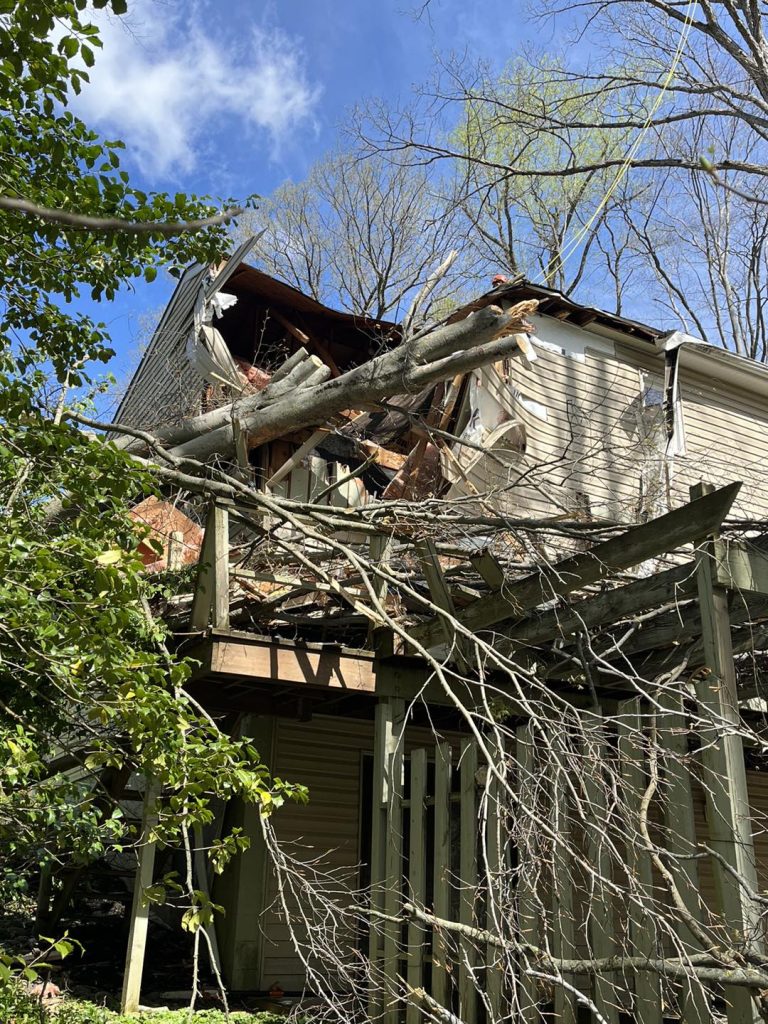
Understanding the Differences: Dead, Dying, and Hazardous Trees
When it comes to trees on your property, it’s important to understand the differences between dead, dying, and hazardous trees. While they may seem similar, each one presents unique risks and requires specific attention when looking into tree removal.
- Dead Trees: These trees no longer have living tissue. They are brittle, dry, and often drop branches easily. A dead tree poses a significant risk, as its structural integrity is compromised, making it prone to falling without warning.
- Dying Trees: Unlike dead trees, dying trees still have some living tissue but are experiencing rapid decline. Symptoms may include sparse foliage, discolored leaves, deep cracks in the bark, or fungal growth around the trunk. Dying trees often become hazardous as their structural stability weakens.
- Hazardous Trees: A tree is considered hazardous if it poses a threat to people or property due to its condition or location. Even healthy trees can become hazardous if they are leaning dangerously or have large, overhanging branches.
Why Removing These Trees is Critical
Leaving dead, dying, or hazardous trees on your property can lead to serious consequences:
- Safety Risks: Weak or decaying branches can snap and fall unexpectedly, posing a danger to people, pets, and structures.
- Property Damage: During storms, hazardous trees are at high risk of falling, potentially causing significant damage to your home, vehicles, or utility lines.
- Spread of Disease: Dying trees can harbor pests and diseases that may spread to healthy trees nearby, jeopardizing your entire landscape.
How Do You Decide When to Remove a Tree?
Deciding when to remove a tree isn’t always straightforward. Signs like severe trunk damage, deep cracks, or large sections of missing bark indicate structural issues that can become hazardous. This resource from the University of Maryland Extension provides a detailed guide on how to evaluate whether a tree should be removed.
Who is Responsible for Removing a Dead Tree?
Ownership determines responsibility for tree removal. If the tree is entirely on your property, you are responsible for its removal. However, if it straddles a property line, the responsibility may be shared, depending on local regulations. It’s important to consult local guidelines to understand your obligations. The Tree People can also provide guidance during a site inspection.
Will Insurance Pay for Dead Tree Removal?
Insurance policies typically cover tree removal if the tree falls and causes damage to a structure like your home or garage. However, many policies do not cover the proactive removal of dead trees that have not yet caused damage. It’s best to review your policy and consult with your insurance provider for clarity.

The Tree People Difference: Safe and Efficient Removal
At The Tree People, we understand the urgency and precision required to safely remove dead, dying, or hazardous trees. Our experienced team is equipped with state-of-the-art equipment and adheres to strict safety protocols, ensuring every removal is handled professionally and efficiently.
We take the time to assess each tree, planning the safest and most effective approach for its removal. Whether it’s a single dead tree or a hazardous branch looming over your property, our team handles the job with care and expertise.
When to Call a Professional
You should call The Tree People if you notice:
- Large dead branches that could fall at any time
- Signs of disease or decay, such as mushrooms or deep bark cracks
- Trees leaning more than 15 degrees from vertical
- Branches hanging over power lines or your home
Waiting too long to remove a hazardous tree can result in costly damage and safety risks. It’s always best to act sooner rather than later.
Call The Tree People for Reliable Tree Removal Services
Don’t wait for disaster to strike. Contact The Tree People today for professional assessment and safe removal of dead, dying, or hazardous trees. Visit The Tree People or call us at 410-975-9333 to schedule your consultation.