
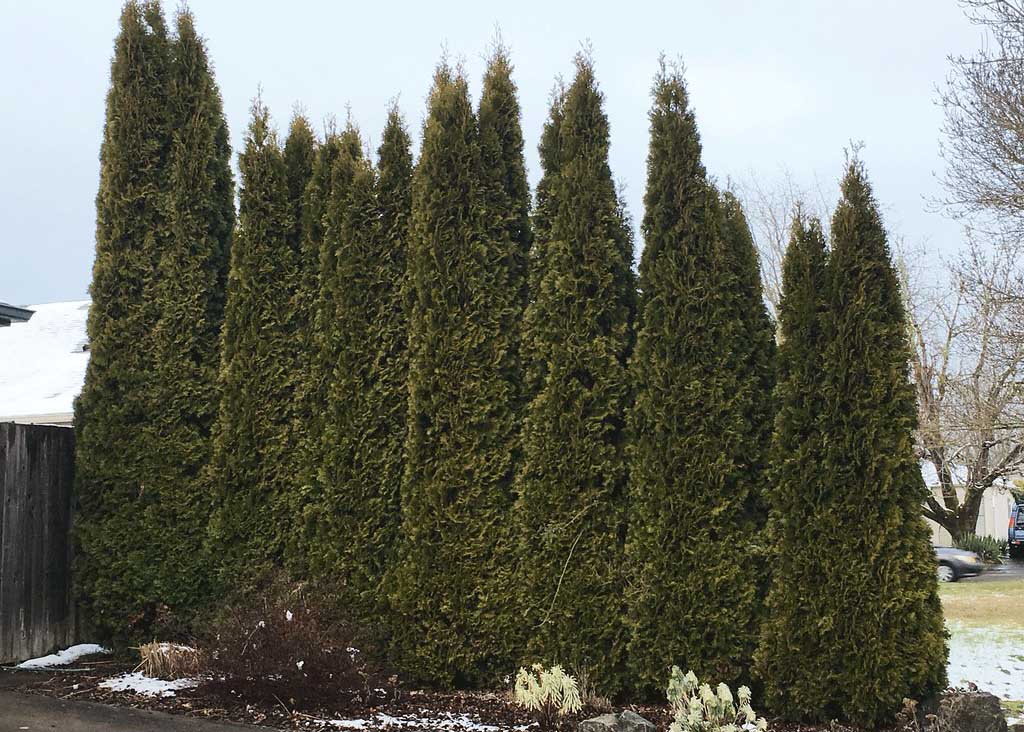
Tree spacing sounds like a landscaping detail, but it is really a safety and longevity issue. The distance between trees, and between trees and your home, affects how well a tree grows, how much maintenance it needs, and how likely it is to cause problems down the road. In Central Maryland, where we get heavy rain, summer storms, and occasional ice and wind events, good spacing can also reduce storm-related risk.
The tricky part is that there is no single perfect number. Tree spacing depends on species, mature size, soil conditions, and what you want the tree to do for your property. Shade, privacy, curb appeal, and wildlife value each point you toward different choices.
Why tree spacing matters more than most homeowners expect
A young tree is easy to underestimate. A Red Maple, a Tuliptree, or a mature oak can become a very large presence, with branches and roots extending far beyond what most people picture at planting time.
When trees are crowded or planted too close to structures, you can run into problems like:
- Weak growth and poor structure from competing for light and space
- Reduced airflow through the canopy, which can increase disease pressure
- Branches growing toward roofs, gutters, and siding
- Roots pushing up sidewalks, edging, and sometimes driveways
- More frequent pruning, and higher long-term costs
Spacing is not just about leaving room for the trunk. It is about leaving room for the canopy to develop in a stable shape and for roots to spread without colliding with hard surfaces.
The simplest rule that works most of the time
If you want one easy starting point, use the mature canopy spread to guide your spacing. Many tree-planning resources use a version of this concept:
Plant a tree far enough away that, at maturity, its canopy has room to spread without pressing into your home or a neighboring tree.
A practical way to think about it is “half the mature spread.” If a tree is expected to spread 40 feet wide, plan on about 20 feet of clearance from a home or other large tree. This approach keeps you conservative without being unrealistic.
Spacing guidelines by tree size
These are general ranges, not strict rules. They are meant to help homeowners avoid the most common spacing mistakes.
Small trees (often 25 feet tall or less at maturity)
- Examples in Maryland yards: Dogwood, Eastern Redbud, some Hollies
- Often work well about 8 to 15 feet from structures, depending on mature spread
- Good option when you want spring color or a smaller ornamental near the house
- Still plan for access to gutters, rooflines, and walkways
Medium trees (often up to 40 feet at maturity)
Examples: Many maples and similar canopy trees in the “mid-size” category
- Often need roughly 15 to 25 feet from structures
- Great for shade, but they need room to avoid roof conflicts later
- Plan for future pruning access, not just where the trunk sits
Large trees (often over 40 feet at maturity)
Examples: Tuliptree, many oaks, Sycamore, mature pines
- Often need 20 to 50 feet from structures, depending on species and mature spread
- Best for larger yards where shade and long-term canopy are the goal
- These trees can be excellent assets, but they are not “near the house” trees
If you are unsure where a tree falls, a quick check with a local nursery or a professional assessment can prevent expensive mistakes later.

Do not forget utilities, driveways, and possible future planning
A tree can be properly spaced from your house and still cause trouble if it is placed without considering utilities and hardscape.
A few practical spacing considerations:
- Avoid planting under overhead utility lines. Limbs and power lines eventually meet, and it rarely ends well.
- Think about what is underground, too, including gas, water, sewer, septic fields, and buried electrical.
- Give driveways, sidewalks, and patios enough clearance so roots and surface growth do not create trip hazards or buckling over time.
- Leave room for maintenance. If you cannot realistically access the canopy for pruning later, the tree is effectively too close.
Tree spacing can reduce storm risk, but it doesn’t always eliminate it
Central Maryland homeowners see a mix of summer thunderstorms, saturated soils, and high winds. When trees are crowded, they can develop lopsided canopies as they chase light. When trees are too close to structures, even normal limb failure becomes a bigger issue. Good spacing helps trees develop a more balanced structure, and it gives you room to manage the canopy before branches become a hazard.
If you plan to maintain your trees with periodic professional pruning, you can often reduce risk and keep trees healthier over time.
When a tree is in the wrong place, spacing mistakes can become removal decisions
Sometimes a tree was planted too close years ago, or it has outgrown the space. If the tree is repeatedly damaging hardscape, growing into the home, or becoming a storm risk, removal might be the safest long-term option.
Need help planning tree spacing for your yard?
The best spacing plan is specific to your property. The right distance depends on the tree you want, where it will be planted, how much you want to prune, and what nearby structures or utilities need protection.
If you want a second set of eyes before you plant, or if you are trying to solve a spacing issue with an existing tree, The Tree People can help you make a plan that fits your yard and your goals.